Kimiafaam Leading in Health

Kimiafaam Leading in Health

Aquaculture

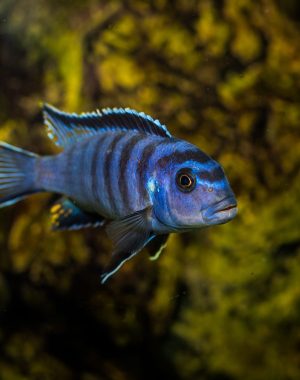
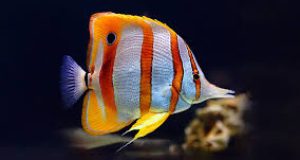
A selective shot of the aquarium blue with black patterns Cichlidae fish
cute-fish-underwater
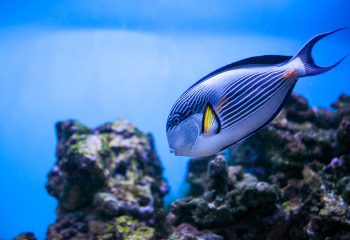
tropical-underwater-sea-aquarium-fish
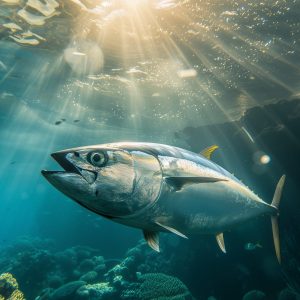
photorealistic-wild-tuna-day-celebration
images (12)
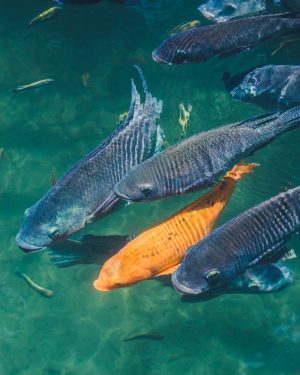
Natural background. Lake with colorful fish

Aquatic Animals

Fish farming is an agriculture-related and rapidly developing profession. The expansion of intensive aquaculture systems, accompanied by the introduction of new species, has inevitably led to an increased incidence of diseases. In addition, the stress caused by intensive and super-intensive farming methods promotes the emergence and spread of infectious diseases—an issue compounded by the lack of sufficient information regarding the physiological, biological, and nutritional needs of newly introduced species.

In recent years, aquaculture has grown significantly in our country as well. Along with this growth, we have also seen the emergence of important infectious and non-infectious diseases, which have caused considerable damage and mortality. Although chemotherapeutic drugs have been used in fish farming for many years, improper application of these compounds (including antibacterials, disinfectants, pesticides, etc.) can pose serious risks to consumers and the environment.

Vitamin
A vitamin is an organic compound required in very small amounts for metabolism, vital physiological functions, growth, development, and overall health. Poor nutrition and an unbalanced diet can lead to a deficiency or absence of one or more vitamins, resulting in various diseases such as beriberi and pellagra.

Vitamins facilitate the metabolism of amino acids, fats, and carbohydrates, and enable the growth, development, and repair of body cells. Some vitamins help absorb nutrients in the intestine, while others act as catalysts. Their functions affect epithelial tissues and bones, and each vitamin prevents a specific type of disorder.

Funk used the term “vitalamine”—meaning an amine essential for life—for substances that cured beriberi and were believed to belong to the amine group. After it became clear that many vitamins are not amines, the final e was removed and the term “vitamin” was accepted.

Vitamins are divided into two main categories: fat-soluble vitamins and water-soluble vitamins. Vitamins E, K, D, and A are fat-soluble, while vitamin C and the B-complex vitamins are water-soluble. Along with minerals, vitamins are essential for the body; without them, health and internal balance become unstable, vital functions are disrupted, and disorders may appear—sometimes leading to death. Vitamins regulate the body’s metabolism, and even a deficiency in just one vitamin can endanger the entire organism.

It is worth noting that most vitamins are obtained from primary natural sources.

Here is the English translation:

Vitamin – Feed Additive Powders
Kimia Carnitine 5® (L-Carnitine 5%)

L-Carnitine is a type of pro-vitamin essential for the metabolism and transport of long-chain fatty acids within cells. It participates in the structure of an enzyme called carnitine acetyltransferase, which is part of the mechanism involving Coenzyme A and Acetyl-CoA.

Its general functions in metabolism are as follows:

Transport of fatty acids

Protection of cell membranes

Maintaining adequate levels of free Coenzyme A

Optimizing ATP production

Increasing tolerance to ammonia

Enhancing spermatogenesis and sperm motility

Uses in Fish and Shrimp

Improving feed conversion ratio (FCR)

Increasing appetite and growth

Enhancing overall metabolism

Improving fertility in broodstock

Increasing fertilization and hatching rates

Improving survival of fry

Vitamin – Water-Soluble Powders
Kimia Renyl Vitaminized® (Vitamins + Minerals + Sorbitol)

Kimia Renyl Vitaminized increases the natural productivity of the stock and improves the flock’s physiological performance. It also leads to increased appetite and higher water consumption.

Vitamin

Vitamins are organic compounds that are required in very small amounts for the metabolism of nutrients, vital body functions, growth and development, and overall health. Inadequate nutrition and improper diets lead to deficiency or lack of one or more vitamins, which can result in various diseases such as beriberi and pellagra.

Vitamins facilitate metabolic processes, including the metabolism of amino acids, fats, and carbohydrates, and enable growth, development, and repair of body cells. Some vitamins promote the absorption of nutrients in the intestines, while others act as catalysts. Their effects involve epithelial tissues as well as bones, and overall, each vitamin helps prevent specific disorders.

The term vitamine was first used by Funk, derived from Vitalamine, meaning a vital amine essential for life, to describe substances that cured beriberi and belonged to the amine group. Later, when it became clear that many vitamins are not amines, the final “e” was removed, and the term vitamin was adopted.

Vitamins are classified into two main groups: water-soluble vitamins and fat-soluble vitamins. Vitamins A, D, E, and K are fat-soluble, while vitamin C and the B-complex vitamins are water-soluble. In addition to minerals, vitamins are essential for the body because without them in the diet, health and physiological balance become unstable, vital functions are disrupted, and complications may arise that can sometimes lead to death. Vitamins regulate metabolism, and deficiency of even a single vitamin can endanger the entire human body. It is also worth noting that most vitamins are derived from natural sources.

Vitamins – Feed Additive Powders:

Kimia Carnitine 5® (L-Carnitine 5%):
L-Carnitine is a type of pro-vitamin that is essential for metabolism and for the transport of long-chain fatty acids within cells. This compound participates in the structure of an enzyme known as carnitine acetyltransferase, which forms part of the coenzyme A and acetyl-coenzyme A mechanism.

In general, its metabolic functions include:
– Transport of fatty acids
– Protection of cell membranes
– Maintenance of adequate levels of free coenzyme A
– Optimization of ATP production
– Increased tolerance to ammonia
– Enhancement of spermatogenesis and sperm motility

Its applications in fish and shrimp include improvement of feed conversion ratio, increased appetite and growth, enhancement of metabolic performance, improved fertility of broodstock fish, increased fertilization and hatching rates, and improved survival of fry.

Water-Soluble Powders

Vitamins – Water-Soluble Powders:

Kimia Renyl Vitaminized® (Vitamins + Minerals + Sorbitol):
Kimia Renyl Vitaminized increases the natural performance of the flock and improves its physiological functions. It also leads to increased appetite and water consumption.