
Kimiafaam Leading in Health

Kimiafaam Leading in Health

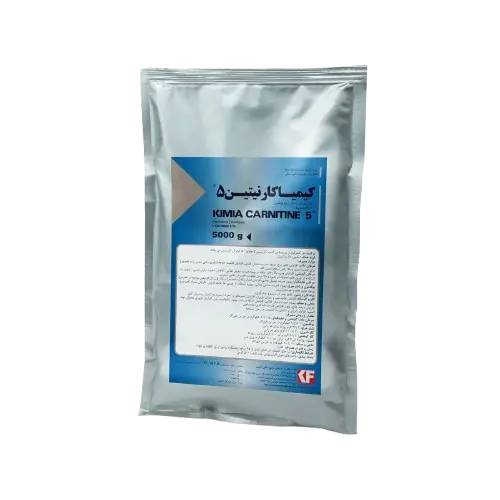
Kimia Carnitine 5®

Generic Name: L-Carnitine 5%

Additional information

Vitamins and Nutritional Supplements

Product Composition

Each kilogram of Kimia Carnitine 5® powder contains:

  • L-Carnitine: 50 g

  • Carrier: up to 1,000 g

Indications

🔹 Breeder Poultry:
Increased egg production, improved feed conversion ratio (FCR), enhanced hatchability, enrichment of egg yolk for embryo nutrition, and improved flock immunity.

🔹 Broiler Poultry:
Increased body weight, improved feed conversion ratio, reduced fat deposition, enhanced utilization of dietary fats, and increased resistance to stress.

🔹 Laying Hens:
Improved feed conversion ratio, increased egg number and size, and higher L-carnitine content in eggs.

🔹 Turkeys and Ostriches:
Improved feed conversion ratio, optimized fat utilization, increased energy levels, higher egg production, and improved hatchability.

🔹 Ornamental Birds:
Enhanced growth, improved molting, and feather repair.

🔹 Cows and Calves:
Increased milk production and fertility, enhanced spermatogenesis, improved sperm motility, and supportive management and treatment of ketosis.

🔹 Fish and Shrimp:
Improved feed conversion ratio, increased appetite and growth, enhanced metabolism, improved fertility in broodstock fish, higher fertilization rates, and improved survival of fry.

Dosage and Administration

  • Breeder, broiler, and laying poultry: 0.5–1 kg per ton of feed

  • Turkeys: 1–1.5 kg per ton of feed

  • Ostriches: 2–3 g per bird per day

  • Dairy cows: 20–100 g per animal

  • Beef cattle: 3–5 g per 100 kg of body weight per day

  • Horses: 100 g per dose, 2–3 times daily

  • Fish and shrimp: 10–20 kg per ton of feed
Description

Vitamins and Nutritional Supplements

Product Composition

Each kilogram of Kimia Carnitine 5® powder contains:

  • L-Carnitine: 50 g

  • Carrier: up to 1,000 g

Indications

🔹 Breeder Poultry:
Increased egg production, improved feed conversion ratio (FCR), enhanced hatchability, enrichment of egg yolk for embryo nutrition, and improved flock immunity.

🔹 Broiler Poultry:
Increased body weight, improved feed conversion ratio, reduced fat deposition, enhanced utilization of dietary fats, and increased resistance to stress.

🔹 Laying Hens:
Improved feed conversion ratio, increased egg number and size, and higher L-carnitine content in eggs.

🔹 Turkeys and Ostriches:
Improved feed conversion ratio, optimized fat utilization, increased energy levels, higher egg production, and improved hatchability.

🔹 Ornamental Birds:
Enhanced growth, improved molting, and feather repair.

🔹 Cows and Calves:
Increased milk production and fertility, enhanced spermatogenesis, improved sperm motility, and supportive management and treatment of ketosis.

🔹 Fish and Shrimp:
Improved feed conversion ratio, increased appetite and growth, enhanced metabolism, improved fertility in broodstock fish, higher fertilization rates, and improved survival of fry.

Dosage and Administration

  • Breeder, broiler, and laying poultry: 0.5–1 kg per ton of feed

  • Turkeys: 1–1.5 kg per ton of feed

  • Ostriches: 2–3 g per bird per day

  • Dairy cows: 20–100 g per animal

  • Beef cattle: 3–5 g per 100 kg of body weight per day

  • Horses: 100 g per dose, 2–3 times daily

  • Fish and shrimp: 10–20 kg per ton of feed