




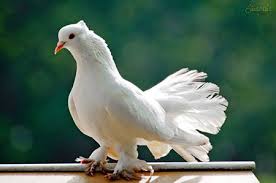
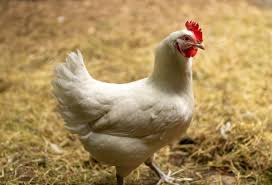
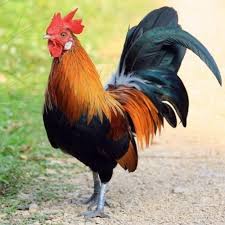
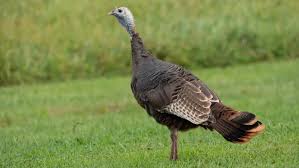
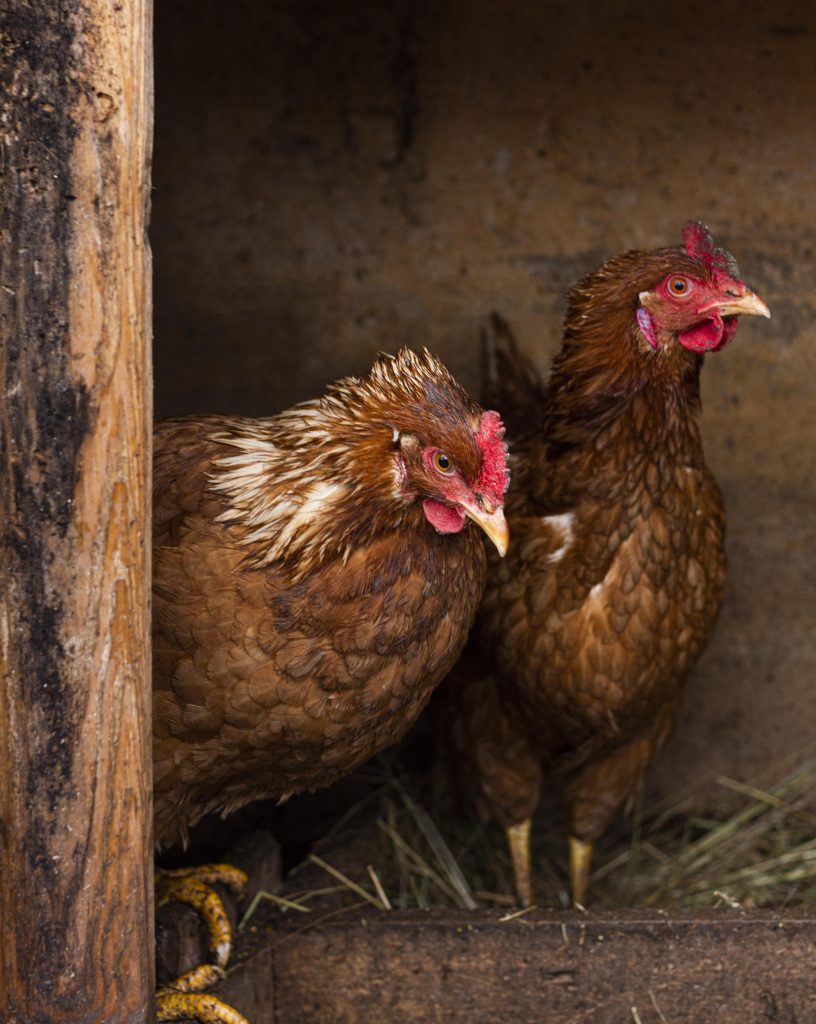
Poultry
Poultry are susceptible to various diseases, including bacterial infections. The nature of industrial poultry farming—where large numbers of birds are raised in dense, confined environments—creates ideal conditions for the emergence and spread of multiple diseases. These diseases can threaten the entire flock within a short period and may even cause complete flock loss. Even when a disease can be controlled, mortality, reduced growth, decreased production, and the high cost of medications impose a significant financial burden on the poultry farmer. It is worth noting that the cost of medicines constitutes a major portion of poultry farm expenses.
For this reason, prevention takes precedence over treatment, especially in poultry diseases. To achieve this, proper poultry management practices must be followed: selecting healthy chicks, providing proper nutrition, maintaining suitable housing conditions and stocking density, disposing of carcasses from sick birds, preventing the entry of contaminants into the farm, and using appropriate disinfectants when necessary.
To reduce the symptoms and complications of diseases, the use of medications and antibiotics is often unavoidable. Without them, the disease can advance to the point of destroying the entire flock. Choosing the correct type and dosage of medication depends on the nature of the disease, its severity, the general condition of the flock, the management skills of the farmer, and epidemiological circumstances.
Poultry
Poultry are susceptible to various diseases, including bacterial infections. The specific nature of industrial poultry farming—where large numbers of birds are raised in dense conditions—facilitates the emergence and rapid spread of different diseases. These diseases can put the entire flock at risk within a short period and may even lead to complete flock loss.
Even when a disease can be controlled, in addition to mortality, reduced growth and decreased production, significant costs are imposed on poultry farmers due to the need to purchase medications. It is worth noting that the procurement of drugs constitutes a major portion of poultry farming expenses. Therefore, disease prevention takes precedence over treatment, especially in poultry diseases.
To achieve this, proper poultry management principles must be observed, such as selecting healthy chicks, providing appropriate nutrition, maintaining suitable housing conditions and stocking density, disposing of carcasses of diseased birds, preventing the introduction of various contaminants into poultry houses, and using appropriate disinfectants when necessary.
However, to reduce the symptoms and complications of diseases, the use of medications and antibiotics is sometimes unavoidable. Without such interventions, a disease may progress to the point of devastating the entire flock. The choice of drug and its dosage depends on the type and severity of the disease, the general condition of the flock, farm management practices, the farmer’s capabilities, and prevailing epidemiological conditions.
• Kimialovit-E® (L-Carnitine + Vitamins E & B12 + Sorbitol + Magnesium + Calcium):
Strengthening the immune system during various stress conditions such as heat stress, vaccination, and transportation
Enhancing immune function during disease and convalescence periods
Supporting fat metabolism to increase growth and production and to prevent carcass fattening
Regulating liver and kidney function and aiding in the elimination of toxic metabolites
Improving growth performance in broiler breeds and production in laying hens
• Kimia Selenit-E® (Selenium + Vitamins E, D3, and B12):
Enhancing immunity and increasing immune response
Preventing and treating disorders caused by deficiencies of vitamin E, selenium, vitamin B12, and D3
Prevention of encephalomalacia (abnormal softening of the brain)
Prevention of muscular dystrophy
Strengthening immune response following vaccination
Correcting fat metabolism and preventing fatty carcass
Used during reduced hatchability and fertility problems
• Kimia E-Selen® (Sodium Selenite + Vitamin E):
Prevention and treatment of disorders caused by vitamin E and selenium deficiency
Strengthening the immune system by stimulating immunological processes
Prevention of encephalomalacia
Prevention of muscular dystrophy
Used during reduced hatchability and fertility problems
Improving growth rate and breast meat quality
Reducing heat stress and other stress conditions
Reducing the incidence of ascites
• Kimia Promotor Forte® (B-Complex Vitamins + Amino Acids):
Enhancing immune function during stress, especially vaccination and recovery periods
Improving all production parameters including feed conversion ratio, average body weight, and productivity
Compensating for nutritional deficiencies to prevent growth and production losses
• Kimia B-Complex® (B-Group Vitamins):
B-group vitamins play a major role in cellular metabolism, including protein, fat, and carbohydrate metabolism.
Vitamin B1 is essential for acetylcholine biosynthesis and myelin sheath stability
Vitamin B2 maintains mucosal membranes and peripheral nerve myelin
Vitamin B3 is a precursor of NAD and NADP coenzymes
Vitamin B5 is essential for Coenzyme A synthesis and stress resistance
Vitamin B6 plays a key role in hemoglobin formation through iron binding
• Kimia B-Complex Forte® (B-Group Vitamins):
Increased growth in broilers and higher production in laying hens
Improved fertility and hatchability in breeder flocks
Enhanced resistance against diseases and stress
Prevention of nervous disorders and skeletal abnormalities
Improved feed conversion ratio
Reduced incidence of diarrhea, enteritis, and fatty liver
• Kimia Multi-Electrolyte Forte® (Multivitamins + Electrolytes):
Vitamins A, D3, and E support epithelial integrity, immunity, bone formation, calcium-phosphorus metabolism, cellular oxidation, and fertility
B-group vitamins support cellular metabolic cycles
Electrolytes regulate ionic balance, maintain body fluid volume, and prevent osmotic pressure disturbances
• Kimia Multi-Electrolyte® (Multivitamins + Electrolytes):
Used in cases of electrolyte and vitamin deficiencies such as:
Anorexia and weakness
Reduced resistance to infectious diseases
Electrolyte imbalance following diarrhea
Stress prevention during transport and vaccination
Improved growth and production
Improved eggshell quality
Prolapse and intoxications
• Kimia Multi-Vitamin Forte® (Vitamins A, D3, E, and B-Complex):
Vitamin A: protects epithelial tissues, supports bone growth, vision, and fertility
Vitamin D3: regulates calcium and phosphorus metabolism and bone formation
Vitamin E: acts as an antioxidant, regulates cellular oxidation and carbohydrate metabolism, improves fertility and hatchability
B-group vitamins: essential for protein, fat, and carbohydrate metabolism
• Kimia Multi-Vitamin® (Vitamins A, D3, E, and B-Complex):
Prevention and treatment of vitamin deficiency disorders
Improved feed conversion ratio
Prevention of stress-related growth and production decline
Improved eggshell quality
Prevention of nervous, digestive, epithelial, and locomotor disorders
• Kimia Vit-3® (Vitamins A, D3, and E):
Increased growth and production
Improved calcium deposition and skeletal development
Enhanced disease resistance
Improved immune response and reduced stress effects
Improved fertility and hatchability, reduced embryonic mortality
• Kimia Vit-C-Forte® (Vitamins A, D3, E, and C):
Increased growth and feed efficiency
Improved bone development
Enhanced resistance to diseases and intoxications
Improved fertility and hatchability
Enhanced immune response during environmental stress and vaccination
Especially useful during heat stress
• Kimia Vit-5® (Vitamins A, D3, E, K3, and C):
Prevention and treatment of vitamin deficiencies
Improved growth and feed efficiency
Improved skeletal development
Enhanced resistance to disease and intoxication
Improved fertility and hatchability
Prevention of hemorrhage in diseases such as Gumboro and coccidiosis
• Kimia Carnovit-B® (L-Carnitine + B-Group Vitamins):
Accelerates yolk sac absorption in day-old chicks
Enhances resistance to environmental stress and infectious diseases
Improves fat metabolism and reduces abdominal fat
Improves growth performance and feed conversion
Strengthens immunity and reduces first-week mortality
Improves eggshell quality and chick quality
• Kimia B-Mineral® (B-Complex Vitamins + Minerals):
Prevention and treatment of B-vitamin and electrolyte deficiencies
Improved hatchability
Reduced feed conversion ratio
Compensation of electrolyte loss after diarrhea
Increased growth and egg production
Stress resistance
• Kimia Stimol Forte® (Multivitamins + Amino Acids):
Improved growth rate, feed conversion, and weight gain
Increased resistance to infectious diseases and stress
Enhanced immune performance before and after vaccination
Improved fertility in breeders and egg production in layers
• Kimia Vitamin-Amino® (Vitamins + Amino Acids + Sorbitol):
Sorbitol enhances cellular metabolism and energy production
Prevents stress during vaccination and recovery
Improves feed conversion, body weight, and production
Accelerates growth and productivity
• Kimia Physioll® (L-Carnitine + B-Group Vitamins + Amino Acids):
Improves fat metabolism to increase growth and prevent fatty carcass
Enhances feed efficiency and average body weight
Reduces stress, especially during vaccination and recovery
• Kimia Meril® (Lysine + Methionine + Choline + Magnesium + Sorbitol):
Regulates liver function (digestive, diuretic, detoxifying, energy supply)
Prevents fatty liver syndrome and kidney disorders
Enhances fat metabolism in high-fat, high-nitrogen diets
Stimulates appetite
• Kimia Plus® (Glucose + Betaine + Phosphorus + Sodium + Potassium):
Improves production parameters
Acts as an alternative energy source
Stimulates appetite
Used during heat stress, vaccination, and transport
Supports recovery after antibiotic therapy
Suitable for high-energy demand conditions
• Kimia Ligo® (Minerals + Trace Elements):
Compensates mineral and trace element deficiencies
Enhances resistance after infectious diseases and antibiotic treatment
Prevents paralysis
Improves growth, production, and eggshell quality
• Kimia Hepatisho® (L-Carnitine + Sorbitol + Choline + Artichoke Extract):
Artichoke extract stimulates bile secretion, appetite, and diuresis
Treats liver disorders, especially fatty liver syndrome
Provides energy during disease and heat stress
Detoxifies liver and kidneys after antibiotic use
Treats mycotoxin intoxication
Improves digestion, fat catabolism, feed efficiency, body weight, and fertility
• Kimia Electrolyte-D® (Calcium + Magnesium + Vitamin D3):
Treats calcium and magnesium deficiency disorders
Strengthens eggshell quality
Improves growth and production
• Octaliver® (Sorbitol + Choline Chloride + Betaine + Methionine + Sodium Chloride + Magnesium Chloride + Vitamin PP + Herbal Extract):
Improves digestibility
Regenerates pancreatic and digestive enzymes
Enhances fatty acid oxidation
Regulates fat metabolism
Facilitates intestinal motility
• Kimia Arvisol Forte® (B-Complex + L-Carnitine + Vitamin K3):
Supportive treatment for diseases causing immune suppression and hemorrhage
Improves hatchability and fertility
Enhances flock uniformity and feed conversion
Improves yolk quality for embryo nutrition
Reduces blood spots in egg yolk
Improves eggshell quality
Prevents abnormal fat deposition and subcutaneous hemorrhages
• Kimia LC-Vit® (L-Carnitine + Betaine + Sorbitol + Magnesium):
Improves fat metabolism and prevents fatty carcass
Enhances growth and egg production
Stimulates bile secretion, acts as laxative and diuretic
• Kimia Vita-Amino Plus Forte® (Multivitamins + Amino Acids + Trace Elements):
Compensates long-term nutritional deficiencies
Improves growth rate, feed efficiency, and weight gain
Enhances immune resistance
Improves production and eggshell quality after molting
Improves fertility and egg production in breeders and layers
• Kimia Chok® (Multivitamins + Sorbitol + Dextrose):
Supports growth and production phases
Reduces mortality and compensates growth retardation
Improves eggshell quality and peak laying period
Used after antibiotic and antiparasitic therapy
Enhances reproductive performance
Useful during heat stress and dietary changes
Vitamins – Feed Additive Powders:
• Kimia C-Vit® (Coated Vitamin C):
Vitamin C enhances cellular oxidation–reduction reactions, thereby increasing the body’s resistance to infectious agents (viruses, bacteria, etc.) and to stress factors such as heat, transportation, and vaccination.
More…
• Kimia Carnitine 5® (L-Carnitine 5%):
L-carnitine is a type of provitamin that is essential for the metabolism and transport of long-chain fatty acids within cells. It participates in the structure of an enzyme called carnitine acetyltransferase, which is part of the coenzyme A and acetyl-coenzyme A mechanism.
In general, its metabolic functions include:
– Transport of fatty acids
– Protection of cell membranes
– Maintenance of adequate levels of free coenzyme A
– Optimization of ATP production
– Increased tolerance to ammonia
– Enhancement of spermatogenesis and sperm motility
• Kimia B-Complex WS® (Vitamins):
B-group vitamins play a fundamental role in cellular metabolic cycles, the metabolism of proteins, fats, and carbohydrates, vital biochemical reactions, and increasing body resistance.
Vitamin B1 enters the Krebs cycle and contributes to energy production.
Vitamin B2 is involved in oxidation–reduction reactions.
Vitamin B3 is responsible for hydrogen transfer and intracellular energy production.
Vitamin B6 participates in protein and fatty acid metabolism.
Folic acid is involved in methylation reactions and their activation.
Vitamin B12 plays an essential role in carbohydrate and protein metabolism and, in the liver, in fat metabolism.
• Kimia Mineral Vit WS® (Multivitamin + Minerals):
Vitamins A, D3, E, and K3 play key roles in maintaining epithelial tissues, increasing body resistance, bone formation, regulating calcium and phosphorus metabolism, cellular oxidation, enhancing flock fertility, aiding blood coagulation, and preventing hemorrhage.
B-group vitamins mainly contribute to cellular metabolic cycles and the metabolism of proteins, fats, and carbohydrates.
The minerals used in this formulation help improve feed conversion ratio, growth and production performance, body resistance, and skeletal strength.
• Kimia Vit WS 50 C® (Effervescent Vitamin C 50%):
Vitamin C enhances immune response, improves resistance to stress and infectious agents, and supports overall metabolic performance. (Effervescent, water-soluble formulation).
• Kimia AD3E WS® (Vitamins):
Vitamin A: Protects epithelial tissues against pathogen penetration and plays a major role in bone growth, vision improvement, and fertility.
Vitamin D3: Regulates calcium and phosphorus metabolism and increases their intestinal absorption; essential for bone formation.
Vitamin E: Involved in cellular oxidation, carbohydrate metabolism, muscle creatine, and glycogen metabolism; acts as an antioxidant preventing oxidation of unsaturated fatty acids and vitamin A, and improves fertility and hatchability.
• Kimia Multi WS® (Multivitamin):
Used for the prevention and treatment of diseases and disorders caused by vitamin deficiencies, such as:
Reduced growth and production and poor feed conversion ratio
Nervous system disorders
Digestive disorders such as diarrhea
Poor eggshell quality
Reduced resistance to environmental stresses (heat, cold, etc.)
Epithelial tissue disorders such as hyperkeratosis
Locomotor system disorders such as rickets and joint swelling
• Kimia Lyte WS® (Vitamins + Electrolytes):
Indicated during disorders caused by vitamin and electrolyte deficiencies, including:
Anorexia and weakness
Reduced general resistance to infectious diseases
Electrolyte imbalance following diarrhea
Prevention of transport and vaccination stress
Reduced growth and production
Decreased eggshell quality and prolapse
• Kimia Multi Amino WS® (Multivitamin + Amino Acids):
Recommended to increase resistance in poultry, improve feed conversion ratio, enhance growth rate, and improve meat and egg quality. Also used during stress caused by heat, cold, vaccination, transportation, and infectious diseases.
• Kimia B-Kasol® (B-Complex + Vitamin K3):
Increased growth in broilers and increased production in laying hens
Improved fertility and hatchability in breeder flocks
Enhanced resistance against stress and diseases
Prevention of neurological disorders and skeletal abnormalities
Reduced incidence of diarrhea, enteritis, and fatty liver
Supportive use in hemorrhagic diseases and after long-term sulfonamide therapy
• Kimia Renal Vitaminized® (Vitamins + Minerals + Sorbitol):
Kimia Renal Vitaminized increases the natural productivity of the flock and improves physiological performance. It also leads to increased appetite and water consumption.
Anticoccidials:
Coccidiosis in poultry is a protozoal disease of domestic fowl and many other birds, most commonly characterized by diarrhea and intestinal inflammation. This disease primarily affects the intestines. Coccidiosis is the most important and most common parasitic disease in poultry and can cause major economic losses in industrial poultry farms. Losses resulting from mortality, reduced production, impaired feed conversion ratio, and decreased growth and flock performance—both in clinical and subclinical forms of coccidiosis—are among its major consequences.
Coccidiosis has been recognized for many years as one of the major poultry diseases, especially in chickens. Much of the fundamental knowledge was obtained during the 1930s and 1940s, and significant research in this field is still ongoing. With the global development of the poultry industry, flocks are raised at higher densities, a condition that increases the prevalence of coccidiosis.
Greater understanding of coccidia and the development of effective anticoccidial drugs have made it possible to prevent many of the heavy losses that were once common. Today, coccidiosis is well controlled in most large-scale poultry production units; however, in places where proper disease control measures are not applied, it remains a significant and serious disease.
Anti-inflammatory Drugs
Non-steroidal anti-inflammatory drugs (NSAIDs) are among the most commonly used medications. These drugs inhibit cyclooxygenase (COX) enzymes and have three major effects: anti-inflammatory, analgesic (pain-relieving), and antipyretic (fever-reducing) actions. At higher doses, they exert stronger anti-inflammatory effects. Anti-inflammatory drugs are unique in that they are non-narcotic and do not cause addiction. Naproxen, aspirin, and ibuprofen are examples of this group of drugs.
These medications are also very effective non-narcotic analgesics due to their ability to reduce inflammation. The exact mechanism of their analgesic effect is not fully understood. Prostaglandin synthesis in the central nervous system is stimulated by pyrogens, which results in an increase in body temperature. Anti-inflammatory drugs reduce fever by inhibiting prostaglandin synthesis in the central nervous system.
The difference between aspirin and other anti-inflammatory drugs lies in the fact that aspirin irreversibly inhibits cyclooxygenase, whereas other NSAIDs inhibit cyclooxygenase reversibly. The irreversible inhibition of cyclooxygenase by aspirin explains its longer-lasting antiplatelet effect. This property of aspirin is used in the prevention of heart attacks and strokes.
Probiotics:
A major goal of livestock producers around the world is to increase feed conversion efficiency into high-quality food products for human consumption, without posing any significant risk to consumers. The physiological processes responsible for converting feed into muscle, fat, and bone in animals have become increasingly well understood. Recently, consumer concerns regarding feed additives used in food production have focused on animal health, food quality, and the potential health risks associated with food.
Various methods can be used to improve the conversion of feed into meat. Two of the most feasible and commonly used approaches are hormone treatments and the use of antimicrobial feed additives. The use of probiotics, which increase beneficial microflora in the gastrointestinal tract, is also considered a form of antimicrobial feed additive.
Probiotics enhance the establishment and proliferation of beneficial intestinal microorganisms in animals. There is a delicate balance between normal and pathogenic organisms in the gut, and this balance can be disrupted by poor management, disease, or stress factors (such as transportation). Lactic acid–producing bacteria are generally beneficial to animals, and certain yeasts also possess similar properties. It is believed that improvements in growth and health are due to one or more of the following mechanisms: prevention of colonization by pathogenic coliforms in the intestine, alteration of nutrient absorption from the gut, inhibition of bacterial growth, and modulation of the intestinal microbial balance.
Probiotic feed additives include selected strains of Lactobacillus and Streptococcus that modify the microbial population of the gastrointestinal tract in treated animals toward beneficial species. Single-cell yeasts are also used. Probiotics can counteract the negative effects of certain disorders that adversely alter intestinal flora. Therefore, they are sometimes useful in reducing gastrointestinal disturbances or helping animals cope with stress.
Acidifier
In modern poultry production systems, the use of acidifiers as alternatives to antibiotics has become common. Acidifying the diet, by affecting the digestive system of birds, helps improve their overall health status. Under poor farm hygiene conditions, the proliferation of pathogenic microorganisms in the environment and feed increases significantly. Acidifiers have proven effective in reducing the impacts of various intestinal diseases.
Bronchodilators and Mucolytics
Drugs used in the treatment of respiratory system disorders are classified into the following groups: antitussives (cough suppressants), bronchodilators, expectorants, and respiratory stimulants. In addition, anti-inflammatory drugs also play an important role in the treatment of many respiratory diseases.
Expectorants and mucolytic agents are drugs used to increase the elimination of bronchial secretions, enhance the clearance of exudates from the bronchi, and intensify productive coughing. This group of drugs includes saline expectorants (such as ammonium chloride and potassium iodide) and direct stimulants of respiratory secretions (such as volatile oils).
Saline expectorants exert their effects by increasing stimulation of bronchial mucous secretions through vagal stimulation of the gastric mucosa. However, there are no well-designed studies that conclusively confirm these claims.
Direct stimulants of respiratory secretions include volatile oils such as eucalyptus oil and peppermint oil. These compounds appear to directly increase respiratory tract secretions. In addition, they help relieve the symptoms of influenza, bronchitis, and localized pain.